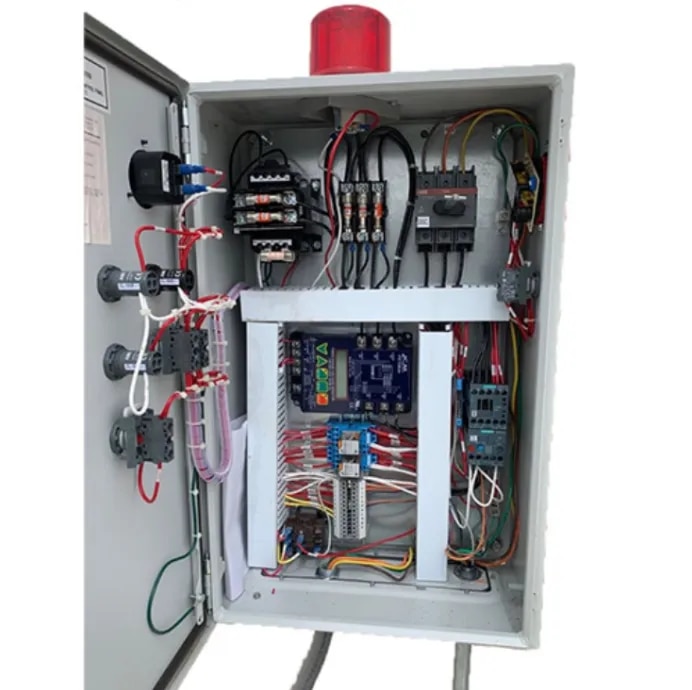
SCADA
Description
SCADA Automation Solutions by Dhyan Automation Machinery Pvt. Ltd.
Dhyan Automation Machinery Pvt. Ltd., based in Ahmedabad, Gujarat, India, provides industrial machinery and automation solutions to support process monitoring, machine control, and production management. Supervisory Control and Data Acquisition (SCADA) systems are widely used in industrial automation to monitor equipment, collect operational data, visualize processes, and help operators supervise industrial operations from a centralized interface.
A SCADA system brings together software, controllers, communication networks, sensors, and field devices to provide real-time visibility into compatible industrial processes. Depending on the system design, operators can monitor machine status, review process values, receive alarms, analyze historical trends, and supervise equipment across production facilities.
SCADA automation can be applied in manufacturing plants, packaging lines, material-handling systems, industrial utilities, and other operations that require centralized monitoring. When integrated with compatible PLCs, HMIs, sensors, and industrial communication networks, SCADA can help businesses improve operational visibility, identify abnormal conditions, and make better-informed production decisions.
Dhyan Automation Machinery Pvt. Ltd. supports industrial automation requirements with solutions selected according to operational needs and system compatibility. The exact SCADA software, hardware, communication protocols, and supported functions should be confirmed for the intended application.
## Key Features
- Centralized monitoring of compatible industrial equipment and processes.
- Real-time visualization of available machine and process data.
- Data collection from compatible PLCs, controllers, and field devices.
- Configurable alarms and event notifications.
- Historical data storage and trend visualization, depending on system configuration.
- Graphical dashboards for process monitoring.
- Communication with compatible industrial automation devices.
- Support for production monitoring and operational reporting.
- User access controls, depending on the selected platform.
- Expandability based on software licensing, hardware capacity, and system architecture.
## Technical Specifications
The supplied webpage did not provide enough verifiable information to identify a specific SCADA product or confirm its technical specifications. The following parameters should be finalized with the manufacturer.
| Specification | Details |
|---|---|
| Product Category | SCADA Automation Solutions |
| Manufacturer | Dhyan Automation Machinery Pvt. Ltd. |
| Location | Ahmedabad, Gujarat, India |
| SCADA Software | To be confirmed |
| System Architecture | Application-specific |
| PLC Compatibility | Depends on controller and communication interfaces |
| Communication Protocols | To be confirmed |
| Data Acquisition | Depends on connected devices and configuration |
| Monitoring Interface | Model- and software-dependent |
| Alarm Management | Subject to software configuration |
| Historical Data Logging | Depends on platform and storage configuration |
| Reporting Functions | To be confirmed |
| Network Connectivity | Application-specific |
| User Access Management | Platform-dependent |
| System Integration | Subject to compatibility |
| Customization | Subject to project requirements |
## Applications of SCADA Automation
SCADA systems can support a wide range of industrial applications, including:
- Manufacturing process monitoring
- Automated packaging-line supervision
- Conveyor and material-handling monitoring
- Industrial machine status monitoring
- Production process visualization
- Equipment alarm and event management
- Industrial utility monitoring
- Operational data collection
- Historical trend analysis
- Multi-machine and multi-process supervision
The actual functions depend on the selected SCADA platform, connected equipment, network architecture, and application programming.
## Benefits of SCADA Systems
### Centralized Process Monitoring
SCADA can provide operators with a consolidated view of compatible equipment and processes, reducing the need to check individual machines separately.
### Improved Operational Visibility
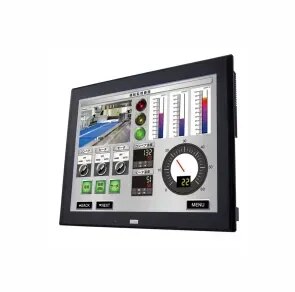
Graphical screens, status indicators, and process trends can help operators understand current operating conditions and identify potential issues.
### Faster Alarm Identification
Configured alarms and event notifications can alert operators to abnormal conditions, supporting timely investigation and response.
### Historical Data Analysis
When data logging is configured, SCADA can store selected process information for trend analysis, troubleshooting, and operational review.
### Better Production Coordination
Centralized monitoring can help teams understand equipment status and coordinate activities across connected machines or production areas.
### Support for Informed Decisions
Process data and historical trends can help managers and engineers evaluate operational performance and identify opportunities for improvement.
### Integration with Industrial Automation
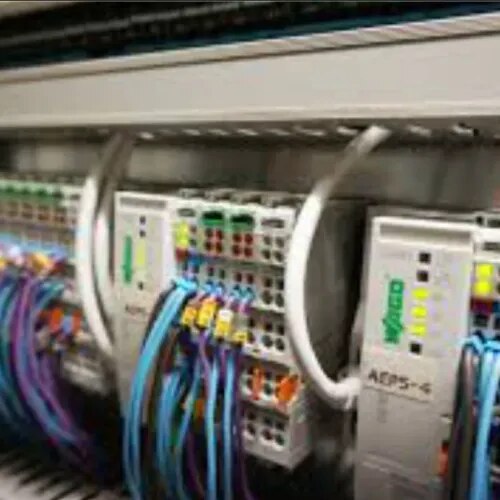
SCADA can work with compatible PLCs, HMIs, sensors, and other control-system components to support coordinated industrial monitoring.
## How a SCADA System Works
A typical SCADA system operates through the following stages:
1. Data collection: Sensors, meters, and field devices measure process conditions and equipment status.
2. Controller processing: PLCs or other compatible controllers process input signals and execute their programmed control logic.
3. Data communication: Process information is transmitted through compatible industrial communication networks to the SCADA system.
4. Visualization: SCADA screens display equipment status, process values, alarms, and other configured information.
5. Alarm management: The system generates configured alerts when monitored conditions meet defined alarm criteria.
6. Data logging: Selected process information can be stored for historical review and trend analysis when the system supports this function.
7. Operator supervision: Authorized personnel use the interface to monitor operations and issue permitted supervisory commands.
The exact architecture varies by application. Time-critical and safety-critical control functions must be engineered appropriately and should not depend solely on a general-purpose SCADA interface.
## Factors to Consider When Selecting a SCADA System
Before selecting a SCADA solution, evaluate the following:
- Number of machines and processes to be monitored
- Required number of data points or tags
- Compatibility with existing PLCs and controllers
- Supported industrial communication protocols
- Real-time monitoring requirements
- Alarm priorities and notification needs
- Historical data retention and reporting requirements
- Network architecture and cybersecurity controls
- User roles and access permissions
- Software licensing and expansion requirements
- Integration with existing production systems
- Availability, backup, and recovery requirements
- Commissioning, training, and technical support
## Why Choose Dhyan Automation Machinery Pvt. Ltd.?
Dhyan Automation Machinery Pvt. Ltd., based in Ahmedabad, Gujarat, India, serves industrial machinery and automation requirements. Selecting a suitable SCADA solution requires understanding the processes being monitored, the connected equipment, the communication infrastructure, and the information operators need to access.
A properly designed SCADA system can improve process visibility, support centralized monitoring, and make operational information easier to review. Before finalizing a project, customers should confirm the software platform, supported protocols, licensing, data retention capabilities, network requirements, cybersecurity provisions, and compatibility with existing automation equipment.
## Frequently Asked Questions
### 1. What is SCADA?
SCADA stands for Supervisory Control and Data Acquisition. It is an industrial automation system used to monitor equipment, collect process data, display operating conditions, and support supervisory control.
### 2. What is the main purpose of a SCADA system?
Its main purpose is to provide centralized visibility into industrial operations through data collection, graphical monitoring, alarms, and other configured supervisory functions.
### 3. What is the difference between SCADA, PLC, and HMI?
A PLC executes programmed machine-control logic. An HMI provides an operator interface for interacting with a machine or controller. SCADA typically provides broader supervisory monitoring, data collection, alarms, and historical analysis across one or more processes.
### 4. Can SCADA monitor multiple machines?
Yes. A suitably configured SCADA system can monitor multiple compatible machines and controllers, subject to software capacity, communication infrastructure, licensing, and system design.
### 5. Can SCADA provide historical reports?
Many SCADA platforms support historical data logging, trend analysis, and reporting. Available functions depend on the selected software, configuration, and storage arrangements.
### 6. Can SCADA integrate with an existing PLC system?
Integration may be possible when the SCADA platform supports the PLC's communication protocol and the necessary interfaces are configured correctly.
### 7. Is SCADA suitable for packaging machinery?
SCADA can be used to supervise compatible packaging machinery and production lines, providing machine-status information, alarms, and operational data where supported by the system.
### 8. What should be checked before purchasing a SCADA solution?
Confirm software compatibility, communication protocols, required data points, alarm functions, historical storage, licensing, network security, reporting needs, and integration requirements.
### 9. Does SCADA replace PLC-based control?
Generally, no. PLCs typically handle machine-level control, while SCADA provides supervisory monitoring and data acquisition. The appropriate division of responsibilities depends on the system architecture.
### 10. Where is Dhyan Automation Machinery Pvt. Ltd. located?
Dhyan Automation Machinery Pvt. Ltd. is based in Ahmedabad, Gujarat, India.
Dhyan Automation Machinery Pvt. Ltd., Ahmedabad, Gujarat, India, provides industrial automation solutions for process monitoring and supervisory control. SCADA systems help monitor compatible machinery, collect operational data, display alarms, and support centralized supervision of industrial processes. The appropriate solution depends on PLC compatibility, communication protocols, data requirements, and the intended application.
SCADA Automation Solutions in Ahmedabad | Dhyan Automation Machinery
Explore SCADA automation solutions from Dhyan Automation Machinery Pvt. Ltd., Ahmedabad, Gujarat, for industrial process monitoring, data acquisition, alarms, and supervisory control.
- SCADA Automation Solutions in Ahmedabad
- SCADA System Integrator in Gujarat
- Industrial SCADA Automation
- Supervisory Control and Data Acquisition
- SCADA Monitoring System
- SCADA and PLC Integration
- Industrial Process Monitoring Systems
- SCADA Solutions for Manufacturing
- Packaging Line Monitoring System
- Industrial Data Acquisition System
- SCADA Automation in India
- Industrial Automation Solutions in Ahmedabad
## Product USP
Application-oriented SCADA automation solutions designed to support centralized process monitoring, operational data visibility, configurable alarms, and integration with compatible industrial control systems.